


Ohio is a state that just recently became legal November 7th 2023 for recreational sales. Voters passed the resolution that allowed adults over the age of 21 to possess 2.5 ounces of cannabis flower and 15 grams of cannabis concentrate. Cannabis can be purchased by those 18 and older who also hold a medical card in the state. The approved resolution allows for the cultivation of 6 plants for 1 adult and up to 12 for a household with multiple adults. Ohio places limits on daily purchase limits for adults in the state that are lower than the possession limit. Just in the past few days the Ohio Attorney General has sued Ascend Wellness, Ayr Wellness, The Cannabist Company, Cresco Labs, Curaleaf, Green Thumb Industries, Jushi, Trulieve, Verano.
Each one of the companies listed above have been charged by the AG Yost due to their business practices. AG Yost refers to these companies as “Cartels” because they have worked together to control the market and pricing for Ohio residents. Yost contends that these companies contacted each other and shared confidential business information that normally will help a business gain their own competitive edge. Many businesses keep secret or limit access/ release of sales data from their markets, vendors, sales channels, how and what products are moved, shelf space and what products are going on sale. According to the lawsuit these companies have exchanged this information in closed door sessions, emails, and phone calls to other executives.
In the normal scheme of things this would not be a big issue if it did not affect the market and new players entering the market. This is not the case with limited licenses issued to cannabis dispensaries, manufacturers, and cultivators in the state. Licenses are usually issued through license lotteries, with a few of the companies or individuals selling their licenses to MSO’s or large in-state investors. MSO’s look for people that have licenses but not the capital to grow, maintain, or take action on their type of license. So the license holder will reach out to investors or other parties to act on the licenses won.


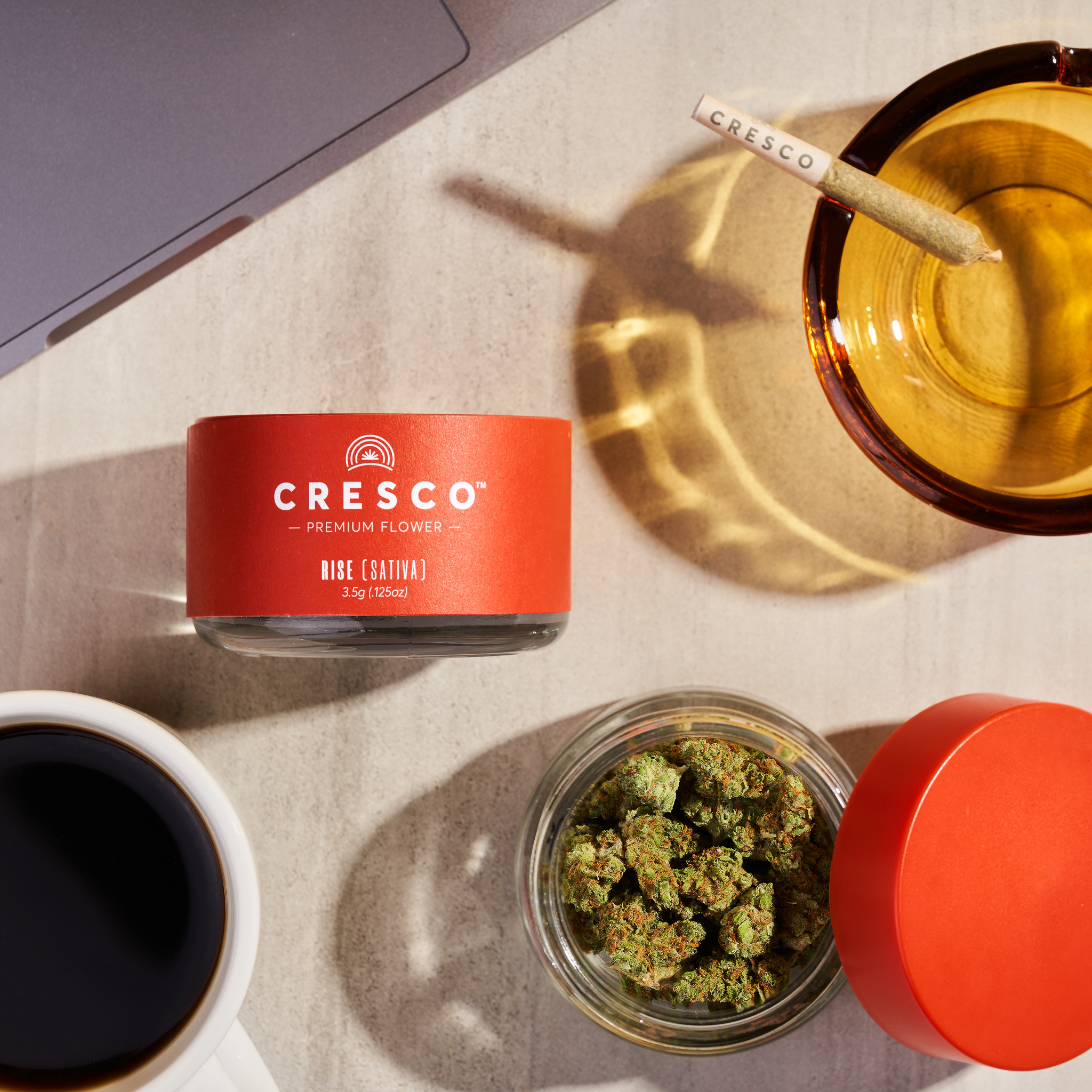
The lawsuits list examples of the issues at hand:
A December 2024 email between GTI Senior Vice President of Sales and Cannabist President explains the effect of GTI’s Ohio reciprocal strategy: “I have materially changed how we buy and who we buy from at our retail stores because we have come to understand that at this point, this is a distribution game. Where I was able, I eliminated some vendors from our stores that were not selling well enough to justify carrying their product, but also focused on the fact that those vendors were not buying any product from our wholesale business.”
During the relevant time period, Cannabist shared competitively sensitive non-public
information with multiple co-defendants: a. October 2022 email between Cannabist Director of FP&A and a Cresco executive provides a comprehensive spreadsheet of Cannabist’s revenue by state store
location and market share calculations. b. 2022 and 2023 emails between Ascend’s Coshocton, OH store to a Cannabist Ohio Facilities Operation Manager contain spreadsheets detailing all cannabis products sold, their retail prices, and discounts received from non-Cannabist vendors.
This is just a small section of the lawsuit that claims the 9 companies listed are hurting the consumers of Ohio with their tactics. The lawsuit also claims these practices made it difficult for smaller companies and local companies to be able to be competitive in the market. With high license fees, taxes, insurance, capital purchase, and employment costs add up quickly for small companies. Many of the smaller companies are not able to offer as many discounts or are not included in the sales opportunities due to the activities detailed in the lawsuit. Smaller shops may not have even known that they were included in these deals that could have hurt them as well. Example – Ascend has products on shelves in a local dispensary and is in a “partnership” with Ayr who also has products in that dispensary. Ascend may be owed money by Ayr for products that they have in their storefront in prime space. Ascend may ask Ayr about their sales data of their products that are sold in the dispensaries that contain both brands. This small dispensary’s information and sales data is now given to Ascend. This small dispensary may be in the same market as an Ascend store that carries Ayr products and Cresco products. Ayr will give Ascend better margins or lower quality products that they can move more quantities of at a cheaper price. Ayr will not offer the small dispensary the same offer which leads to a bigger gap in competitiveness in the market. The dispensary did not know they gave up sensitive data and they did not receive the same discounts.
This lawsuit may lead to bigger things as many of these interactions may be happening in other states that have multi-state operators. We will be following this story as other state Attorney General’s may start to file anti-competitive lawsuits against these companies.